
I grew up with a Chesapeake Retriever who lived to be 13 years old. She was an outdoor, family/hunting dog whose food consisted of whatever was leftover from supper, the occasional nondescript kibble and Milk Bone dog biscuits from my and my sisters’ hands. She also loved pea pods that dropped when we shucked peas from the large backyard garden. This diet was completely acceptable and common in the 1970s. So was keeping a dog outside, something that you rarely see anymore.
As dogs’ roles in the family changed and as they became increasingly indoor-only dogs, so did their diets. Kibble became the convenient, inexpensive way to feed your pet, and vets approved. Pet food companies developed prescription foods for every ailment, and vets promoted them.
As Americans ate more and more processed and ultra-processed foods, snacked more, had more options for fast foods and less gardens, our health decreased. And so went the way of our dogs’ health. As we became obese and developed heart disease, diabetes and kidney disease, so did our dogs. When people snacked, so did their dogs. As we overate, so did our dogs. Dogs and people alike became sedentary and overweight.
Dog kibble is the equivalent of our ultra-processed food. It’s commonly made up of the four D’s – dead, diseased, dying and decayed. “Food” that isn’t fit for human consumption is processed and heated repeatedly until it becomes kibble that causes disease.
But times and pet foods are beginning to shift again. As people begin to rethink their diets and where their foods come from, they are also looking more closely at what they’re feeding their pets. There has been a large increase in human-grade options for our dogs including from The Farmer’s Dog, Ollie and Sundays for Dogs.
As I read The Forever Dog by Rodney Habib and Dr. Karen Shaw Becker, I became aware of these issues for the first time and how good nutrition can dramatically affect your dog’s healthspan and lifespan. I was determined to feed Charlotte the best possible food that I could afford.
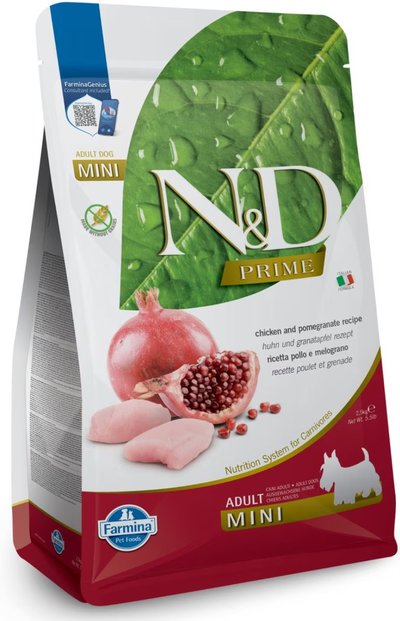
Since my budget does not allow for 100% raw or human-grade food, I set out to find the best quality kibble I could find to supplement the human-grade food I feed her. As is typical for me, I created a spreadsheet to compare dog foods. My research pointed to Raised Right human-grade frozen food as well as Farmina kibble from Italy. They make Prime recipes that are grain free and high in protein. I also like Dr. Harvey’s dehydrated complete meals for convenience and traveling since you just add hot water and stir. If you want to go down the same rabbit hole I did, check out my detailed dog food comparison.