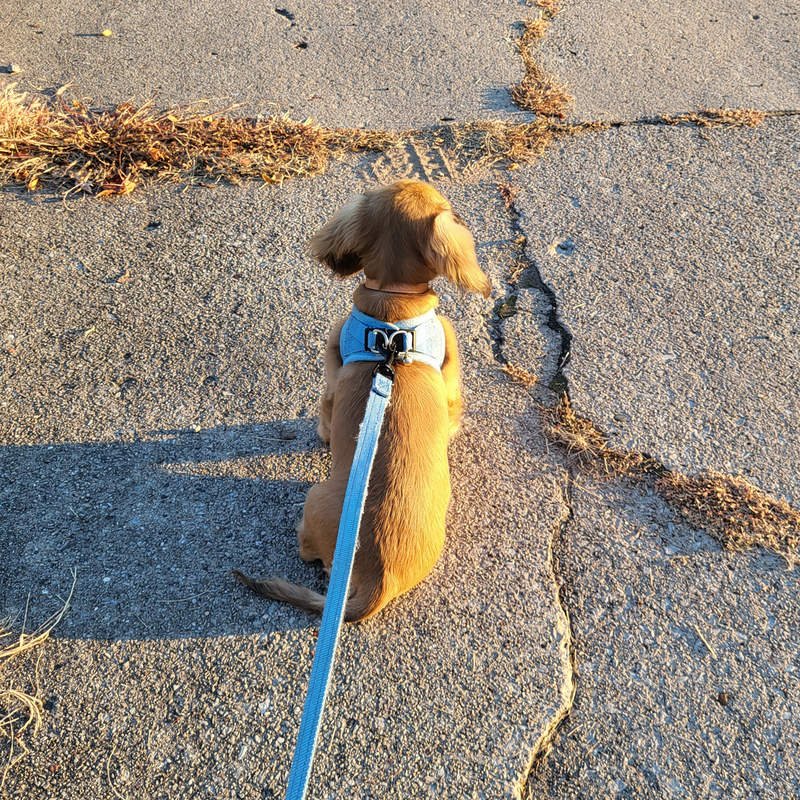
MINI DachshundS 101
The Mini Wiener Dog
Miniature dachshunds, aka “wiener dogs” or “sausage dogs”, are a member of the hound group and are a smaller version of standard dachshunds. While standards typically weigh between 16 and 32 pounds, miniature dachshunds weigh only 11 pounds and under. But don't tell them that. They are a big dog with big personallity in a tiny dog's body!
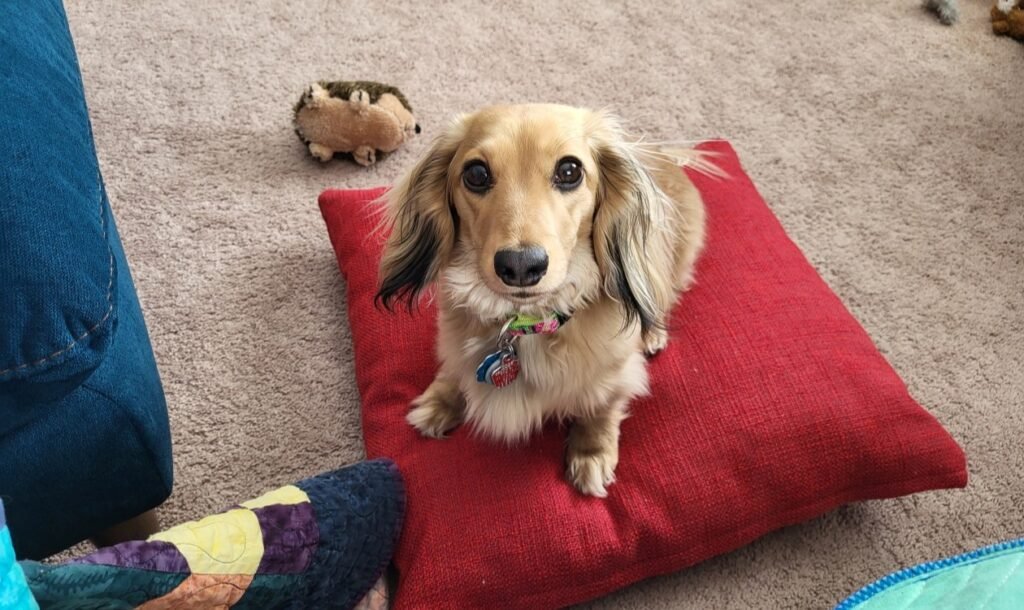
A Little Badger Hound
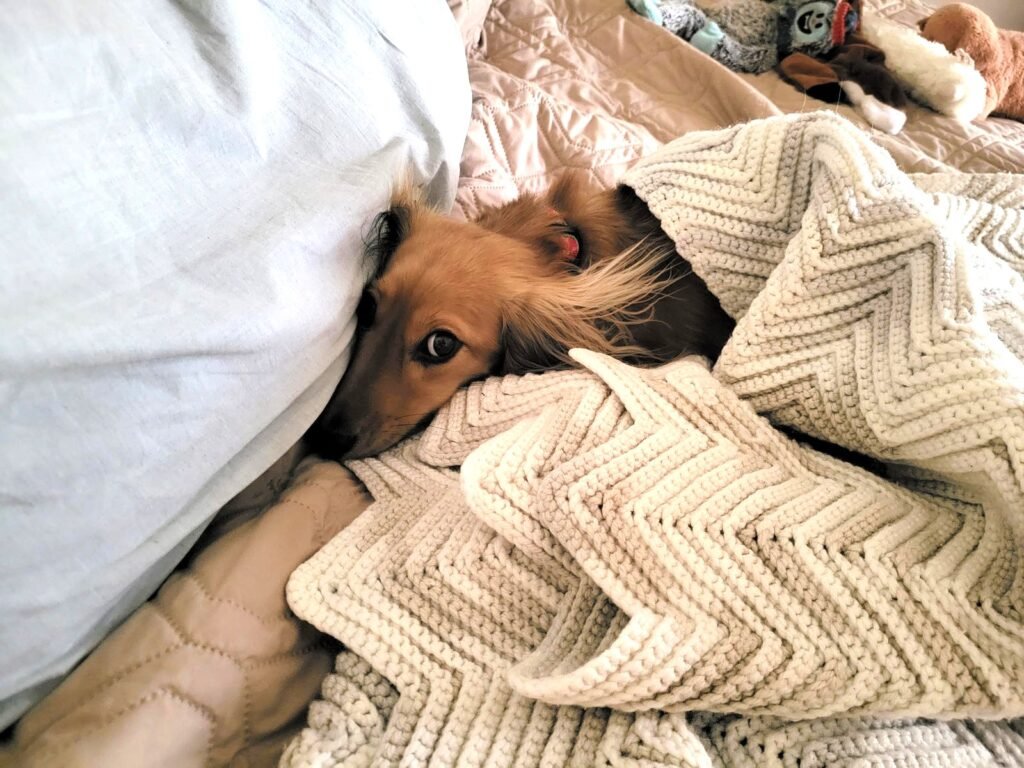
Standard dachshunds were bred in Germany to hunt badgers (dachshund means “badger hound” in German), while miniature dachshunds were bred to hunt rabbits and other small prey. Both sizes are tenacious, independent, and courageous trackers with long bodies, short legs and large front paws uniquely designed to burrow into dens and flush out prey. These traits are part of their breeding, so they may not be suitable for owners who value manicured lawns and gardens. Indoors, they favor burrowing under blankets to sleep.
Mini Dachshund Traits
Senses & Instincts
The dachshund’s loud bark was originally used to alert handlers from underground, making them naturally strong watchdogs. This trait can become excessive without guidance.
Their sense of smell is extraordinary — with approximately 125 million scent receptors (humans have around 5 million). This makes scent-based activities like “sniff walks” highly enriching and mentally tiring in a good way.
Scent work is an excellent form of enrichment for dachshunds and helps channel their natural instincts in a positive direction.
Personality & Training
Miniature dachshunds are loyal, loving family dogs, but they are often described as stubborn. In reality, this comes from intelligence and independence — traits developed for hunting and making decisions underground without human direction.
They are brave, active, and opinionated dogs. Early training is essential and should always be positive, consistent, and reward-based. Raising a dachshund is a long-term commitment that rewards patience and structure.
Health & Weight Awareness
Because dachshunds were bred to hunt, they require daily mental and physical stimulation. Despite their small size, they are not true “couch potato” dogs.
Maintaining a healthy weight is critical for spinal health and overall well-being. Dachshunds are prone to Intervertebral Disc Disease (IVDD), a spinal condition affecting approximately 19–25% of the breed. This condition can be serious and may lead to pain or paralysis. Prevention focuses on:
- weight control
- avoiding excessive jumping
- regular exercise
- strong core and muscle support
Responsible care greatly reduces risk.
Lifespan & Daily Care
With proper nutrition and exercise, miniature dachshunds typically live 12–16 years.
They are highly food-motivated, so portion control is important. Overfeeding and excessive treats can significantly shorten lifespan and increase health risks.
Coats, Colors & Grooming
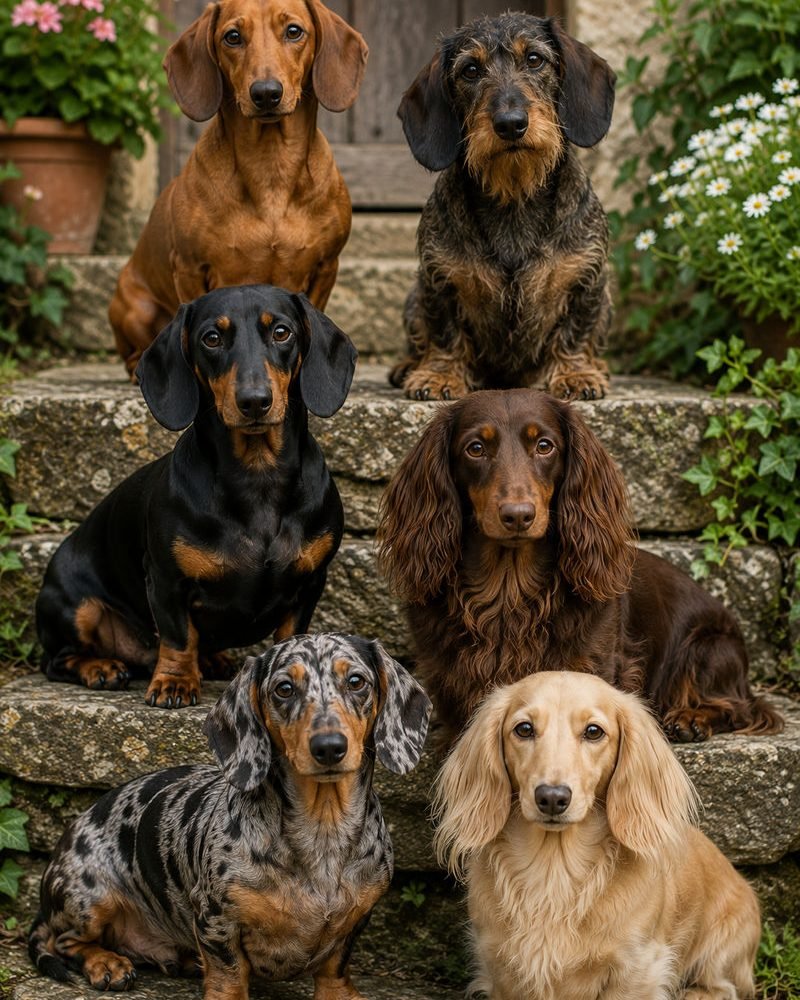
Miniature dachshunds come in three coat types:
- Smooth
- Wirehaired
- Longhaired
They appear in many colors, including red, black, chocolate, cream, and combinations of these.
They generally do not have strong body odor and shed moderately. However, their long ears can be prone to infection and should be checked regularly.
Dental care is also important due to their small mouths. Regular brushing or dental support helps prevent long-term issues.
Longhaired dachshunds require more frequent brushing to prevent tangles and mats.
Social Skills
Dachshunds are expressive, alert dogs with strong body language — including their famously dramatic “side-eye.”
They can be very friendly and social when properly exposed to people, dogs, and environments early in life.
Without early socialization, they may become shy, unsure, or overly protective. Puppyhood exposure should include:
- different people
- surfaces and textures
- sounds and environments
- calm dog interactions
Mini dachshunds are full of intelligence, personality, and energy —
and once you see them in motion, you’ll be smitten.
And They're Off!!
The Final Word
A miniature dachshund can make an excellent family pet, but prospective owners should take time to understand the breed before committing.
If you’re a first-time dog parent, spend time with dachshunds before adopting to be sure you have realistic expectations. These quirky, independent dogs can be challenging at times, but with consistent training, patience, and love, they become deeply loyal and treasured family members.